

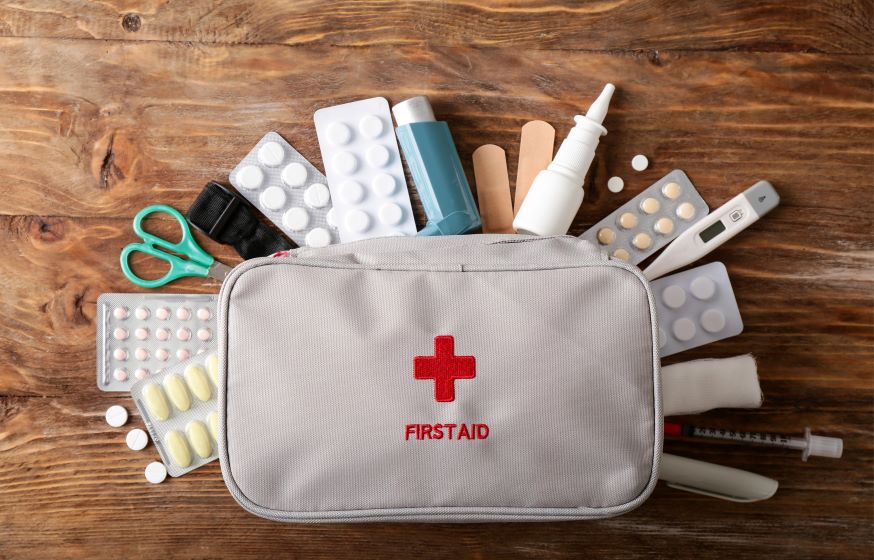


Is your home prepared for sudden cuts, burns, knee scrapes, or aches? If not, then it means you are not prepared for medical emergencies.
Imagine, it’s a cold night, no one is outside, even markets are closed due to winter fog, rain, and cold, and suddenly your kid got a high fever in the middle of the night… What would you do if your home medical kit is not prepared for even fever emergencies?
You must feel worried and blame yourself for not being responsible around kids. Well, the shocking fact is, you are not alone in this. Many people miss lots of important medicines and items in their home medical kit and then regret it later.
Having a well-stocked first aid kit at home gives you confidence and peace of mind, knowing that you have all the necessary items at home in case of a medical emergency.
So, if you are wondering what to keep in your home first aid kit, then don’t worry. Today, we have compiled a complete guide that helps you learn everything about handling medical emergencies with a home medical kit.
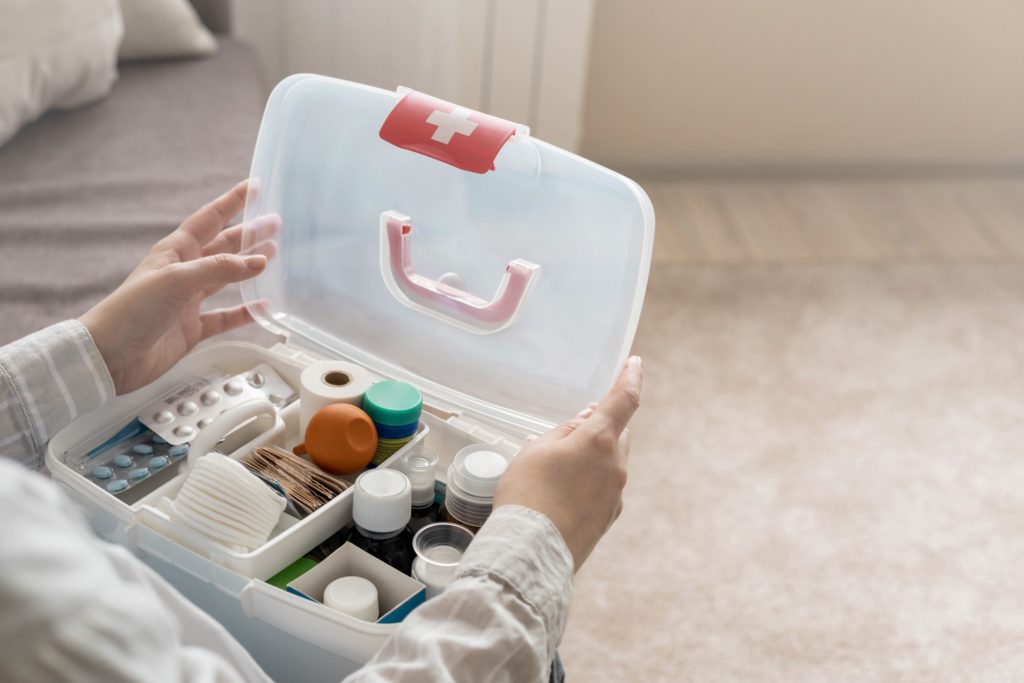
Here we have compiled a list of detailed home first aid kit essentials with reasons for each item:
For covering larger cuts and absorbing blood.
Protect small cuts, scrapes, and blisters.
Support sprains and reduce swelling.
Clean wounds and help prevent infection.
Protects cuts from bacteria while healing.
Secures gauze and dressings in place.
Cuts bandages, tape, or clothing in emergencies.
Removes splinters, ticks, and debris safely.
Keeps treatment clean and hygienic.
Checks fever quickly and accurately.
Eases headaches, fever, and minor aches.
Reduces swelling and numbs pain fast.
For supporting a sprained arm or immobilizing an injured limb.
These are basic first aid items that should be inside your first aid kit. Without these, your kit is not complete and may cause trouble in case of emergencies.
Now the question is what you do in a more serious situation. For example, if you encounter any of the below situation, immediately seek medical help.
Even the best medical aid kit won’t matter if the tools inside are expired, missing, or damaged. It’s best to check out your kit every 2-4 months, especially after use, so you can add required items and remove old & outdated ones.
Well, these are not so important to add to the kit, but if you have added them, then you are excellently prepared and can help anyone in the family suffering from basic medical problems.
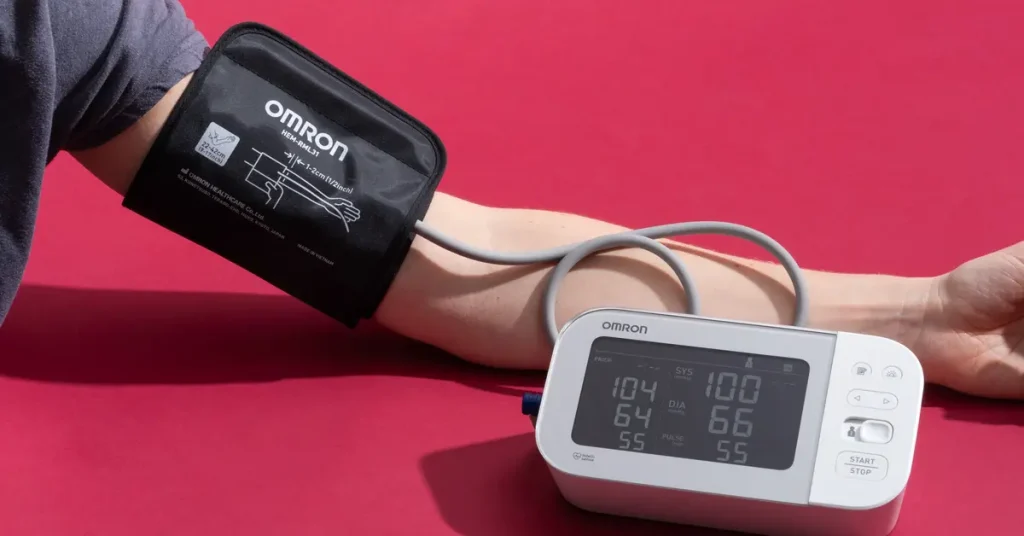
A blood pressure monitor helps track BP at home. It’s the best tool for families suffering from hypertension concerns.
When does it matter?
Pulse oximeter is another useful tool that measures blood oxygen saturation and pulse rate. In case someone is suffering from respiratory sickness at your home, this tool is really helpful to keep in the family first aid box.
When does it matter?
Glucometer or blood sugar machine is also essential to keep in your first aid box, as it’s important for diabetes patients or regular blood sugar checks.
These tools are optional, though but handy to keep:
These are best for sprains & bruises
Blanket is ideal to keep for shock or temperature control
These are useful if someone has dehydration from vomiting or diarrhea
Helpful to record what you did and when
Best for night emergencies
Here come some more suggestions. Make sure you have these in your kit as well:
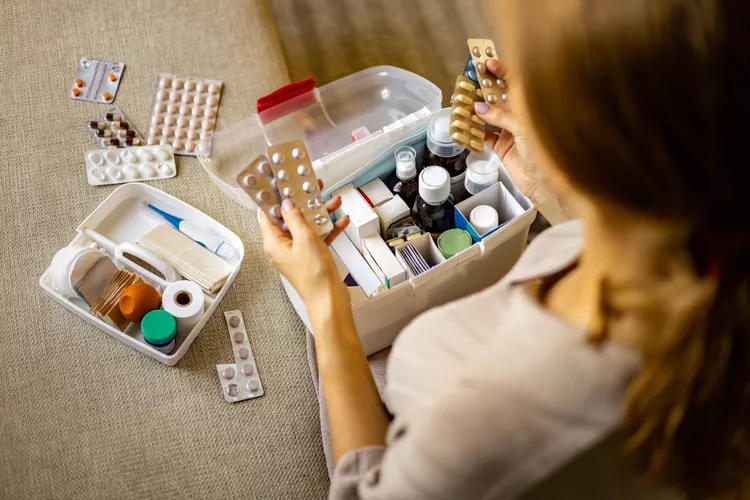
A well-organized first aid kit is always easy to manage and lowers your stress in case of an emergency. All the items are kept in front and organized, which probably lowers anxiety and saves time.
That’s why we recommend you use labeled pouches or compartments for each item. You can also group items by purpose. For example, wound care, medication, and tools.
Keep all the items at the top that you have been using frequently. This includes medicines like Panadol, BP apparatus, digital thermometer, etc.
Do not overstuff your kit with extra items. Clutter slows down the process and also wastes time when you are in a rush.
Your home medical kit is essential, but a mini version for traveling is also a good choice to consider.
Make sure your travel medical kit has:
A well-stocked home first-aid kit is more than just a box of supplies — it’s a quiet form of protection for your entire family. From everyday cuts and burns to sudden fevers or minor emergencies, having the right items within reach can save time, reduce stress, and prevent small issues from becoming bigger problems.
The key is keeping your kit practical, organized, and up to date. Focus on essentials you’re most likely to use, and add optional monitoring tools if your household has specific health needs.
For reliable, quality medical supplies, trusted sources matter. Platforms like surgicals.pk make it easier to find essential first-aid items, monitoring devices, and home medical tools in one place — helping families stay prepared without the guesswork.