



Sometimes we feel a little down but are not sure whether it’s BP, oxygen levels, or a sugar problem. That’s why we believe that taking care of your health doesn’t start from a doctor’s office – it begins at your own home.
Routine checkups, real-time health awareness, and data-driven health decisions start with accurate and consistent measurements at home. Ignoring even a minor health condition can lead to severe complications that affect your overall health in the long run.
Simple daily checkups of blood pressure, oxygen level, weight, and blood sugar can be life-changing and save you from big troubles, especially if you are suffering from any chronic conditions like asthma, hypertension, diabetes, or heart disease.
Think of this regular health monitoring as your daily health check-in, which serves as a way to understand what your body is going through, catch problems early, and take action before small issues turn into major ones.
So, let us walk you through this preventive health monitoring guide to understand how to live better and longer.
If you are wondering what home health monitoring is and what you do for it, then wonder no more.
Home health monitoring basically means checking key health vitals at home with the help of easy-to-operate devices like an oximeter, a BP monitor, etc. Some major measurements are:
Checks the force of blood against artery walls
Measures glucose levels in your blood
Shows how much oxygen your blood is carrying
Tracks body weight trends over time
All these elements tell you something significant about your body and highlight where the issue is. When you monitor them regularly, you understand your health patterns and have more control over your health conditions.
Regular home monitoring offers a lot of benefits, especially if you have a critical condition like hypertension or diabetes.
With regular home monitoring, you can catch problems early. Sometimes, you might not feel sick, but the fact is, many health issues start quietly. If you are doing regular monitoring, you can spot some early warning signs before symptoms get serious.
Early diagnosis helps in several regards as you can plan adjustments in diet, medication, or lifestyle.
If you have diabetes or blood pressure-related issues, you can get real-time feedback with regular monitoring. You can understand what works and what doesn’t. And track how medicines affect your numbers.
You can also analyze how sleep, stress, and food influence your body.
When some dangerous health conditions like high BP or low sugar levels go unnoticed, they can cause serious health problems later.
Knowing your numbers are in control, and you are in good health, gives you great peace of mind. So, instead of worrying and suffering in silence, it’s better to track trends and feel confident that you are doing something positive for your health.
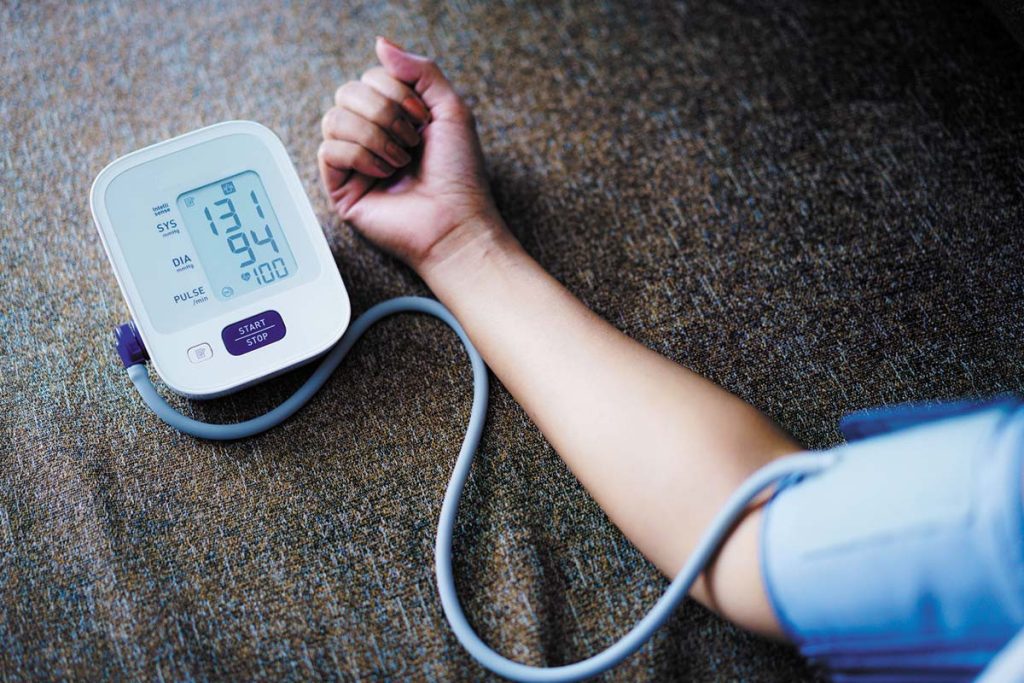
Let’s break down each health measurement and learn why it matters:
Monitoring blood pressure at home is one of the most important things, as it tells you how hard your heart is pumping blood through your arteries. Keep in mind that a normal BP is 120/80 mmHg. If it creeps up slowly without obvious symptoms, then it means your BP is getting higher.
Uncontrolled BP increases the risk of heart attack and several kidney problems.
Check your BP regularly at home using a reliable blood pressure monitor that helps you notice the reading accurately without any difficulty.
Ideal monitoring schedule:
Blood sugar level tells you how your body is processing glucose, which is the fuel your body runs on. People with diabetes or pre-diabetes conditions should check their blood sugar levels regularly to track details.
It matters because high sugar damages nerves, blood vessels, and other body organs. That’s why home glucose monitoring helps you see how:
Oxygen saturation shows how much oxygen your blood is carrying. It’s important to measure so you can check how well your lungs are working. This became more important due to the COVID-19 pandemic. However, it’s useful for:
Our weight reflects changes in our metabolism, fluid balance, and overall health.
Sudden weight changes can signal thyroid problems, fluid retention, or dietary imbalances.
An ideal monitoring schedule is:
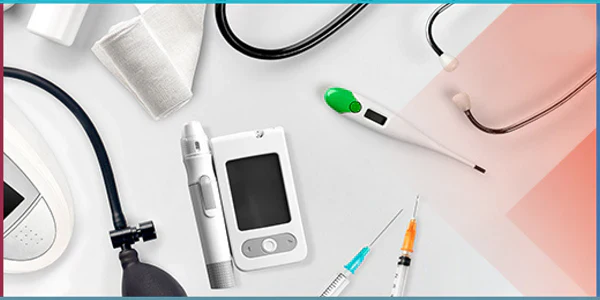
Your home health toolkit should be equipped with all the necessary devices, such as:
It’s important to have a reliable digital blood pressure monitor. For example, DIGITAL BLOOD PRESSURE MONITOR CH-453 is a great choice that has an irregular heartbeat indicator, body movement indicator, and much more.
A glucometer or sugar machine is another essential device to keep at home. Blood Glucose Meter ACCU-CHECK Active is an ideal one to consider as it is easy to operate and have large display to read numbers.
To check oxygen levels regularly, a pulse oximeter is a great choice. Many people use a pulse oximeter handheld machine as it has a compact and portable design and features a numeric display with a plethysmogram.
Digital weight scales are another useful tool to have, as they help keep track of your weight regularly. They are easy to use and measure weight accurately because they have 4 sensors and can easily measure weight up to 150 kg.
Regular home health monitoring is one of the simplest yet most powerful habits you can build for long-term well-being. By keeping track of your blood pressure, blood sugar, oxygen saturation, and weight, you gain early insight into changes that could otherwise go unnoticed.
Having reliable devices from a trusted platform like Surgicals.pk makes home monitoring easier, more accurate, and more consistent, allowing you to stay informed and confident about your health every single day.