

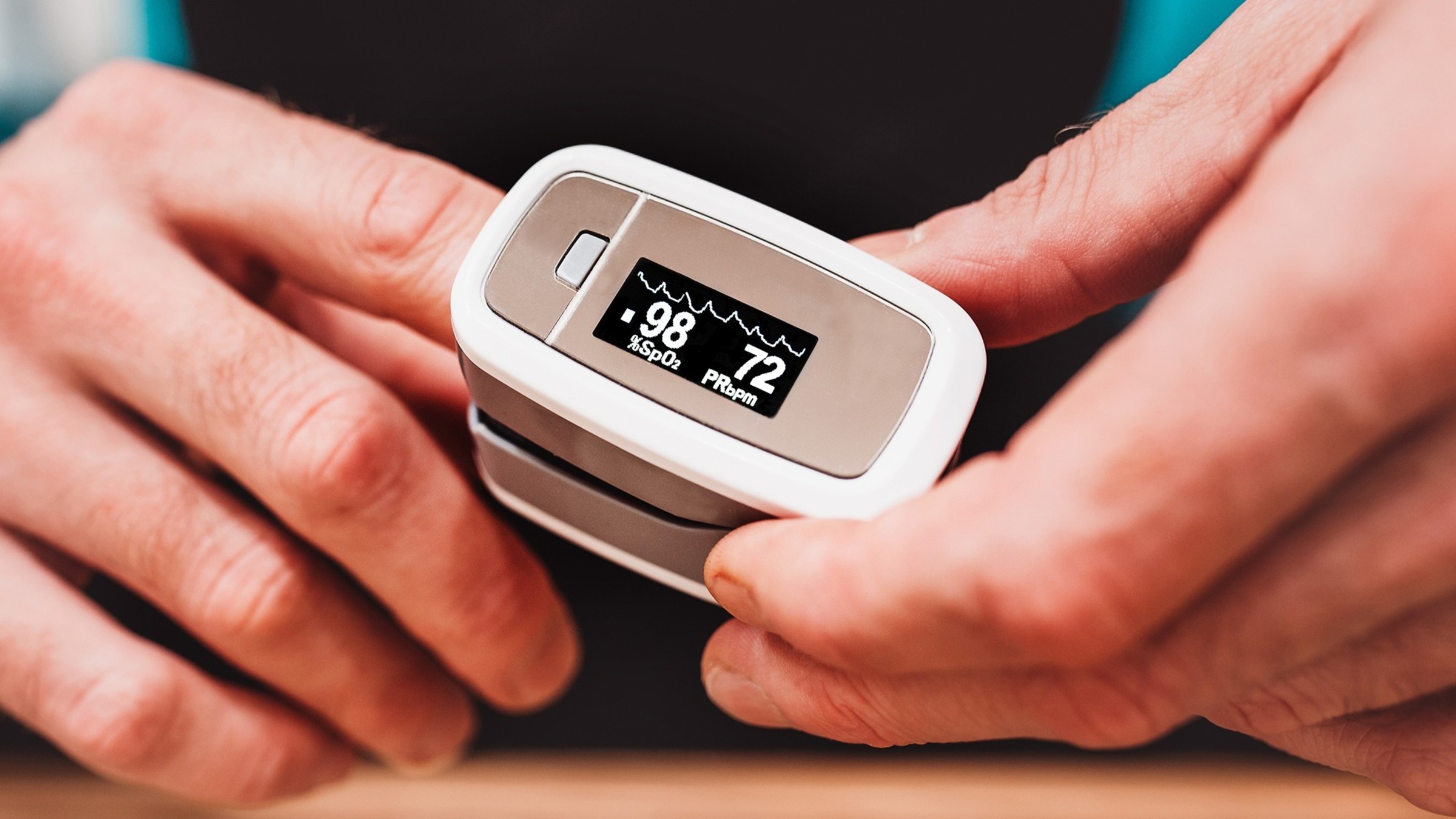


Ever glanced at your pulse oximeter reading and wondered, “Is this number actually okay?” Don’t worry, you are not alone. It’s common to be uncertain when a SpO₂ seems confusing. Sometimes you think the reading is normal, and other times, you just wonder whether it is high or low.
But it is important to understand one thing – not every low reading is a reason to panic. You need to learn about your usual baseline, as it makes readings easier to interpret. Knowing what’s normal and what’s not makes home monitoring far less stressful.
That’s why doctors use a device called a pulse oximeter. They clip this small device onto your finger, and numbers appear on their screen. However, those numbers can be confusing for the average person. Sometimes they tell 95%, and other times, its 92%. In short, you can’t understand whether these readings are normal or not.
To track this down, we’ll learn about SpO₂, normal oxygen saturation, how a pulse oximeter works, and much more.
SpO₂ basically stands for peripheral capillary oxygen saturation. Well, in simple terms, SpO₂ tells you how much oxygen your blood is carrying, which is shown in percentage form.
This number reflects how well oxygen is moving from your lungs into the bloodstream. Oxygen helps our organs to function normally. If your oxygen level is low, you feel tired and dizzy. Remember, a very low oxygen level is pretty dangerous if not treated immediately.
That’s why SpO₂ is important to understand, even for common people.
You may have heard or even used this device in hospitals or clinics once, right? It is actually a small, non-invasive device that measures your oxygen saturation and your pulse rate.
This device usually clips onto your fingertip or sometimes an earlobe. You can also buy a finger pulse oximeter that measures your oxygen saturation and heart rate efficiently. It is easy to use, has adjustable display brightness, and a graphic pulse display.
Other than that, you can consider using a handheld pulse oximeter as well. This is an easy-to-carry, small, and compact device that has an intelligent parameter monitoring interface. Plus, it also comes with an audio and visual alarm.
Now let’s discuss how to use pulse oximeter?
A pulse oximeter shines light through your finger and detects how much light is absorbed by oxygenated vs. deoxygenated blood. It calculates your oxygen level within seconds. The benefits? There are no needles inserted, which means no pain and no medical expertise required for using this device.
Our body depends on oxygen for everything it does. Healthy oxygen level helps your brain think clearly, pumps heart efficiently, and help move your muscles without fatigue.
Plus, your organs work more efficiently with a healthy oxygen level.
However, low SpO₂ is usually linked to:
Pulse oximeters are more commonly used at home, especially for people with chronic conditions.
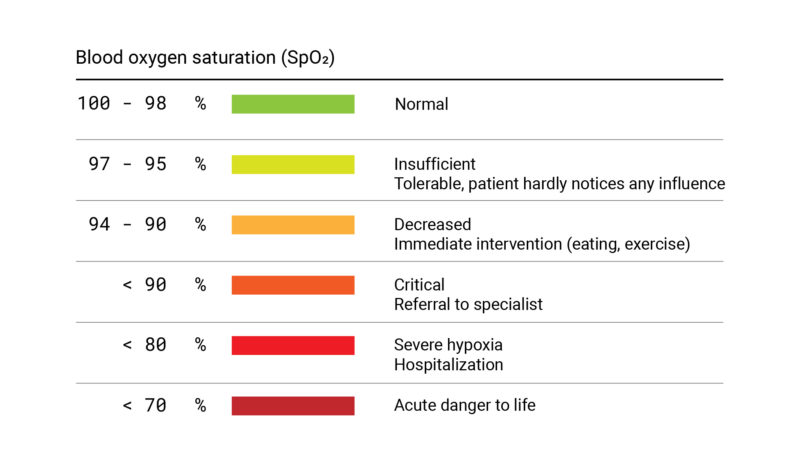
Now let’s talk in numbers so you can understand more clearly.
If your reading is consistently in these ranges, then don’t worry, it’s normal and nothing to worry about.
As mentioned above, not every low reading is a case of emergency. Here’s how you can understand them:
This range may indicate:
You might notice:
What to Do?
Now this range is dangerously low and needs attention.
Low oxygen level symptoms are:
When these signs appear, it means your body is not getting enough oxygen, and it could affect lung or heart functioning.
So, what do you need to do?
If your symptoms get worse, immediately contact your healthcare provider.
That’s the time when you need to act immediately.
Some possible symptoms are:
Whenever you experience any of the above symptoms, seek medical help immediately or call emergency services to go to your nearby clinic.
Do not consider just one number, but look at the full picture.
You should get medical help immediately if:
Get urgent help in case of:
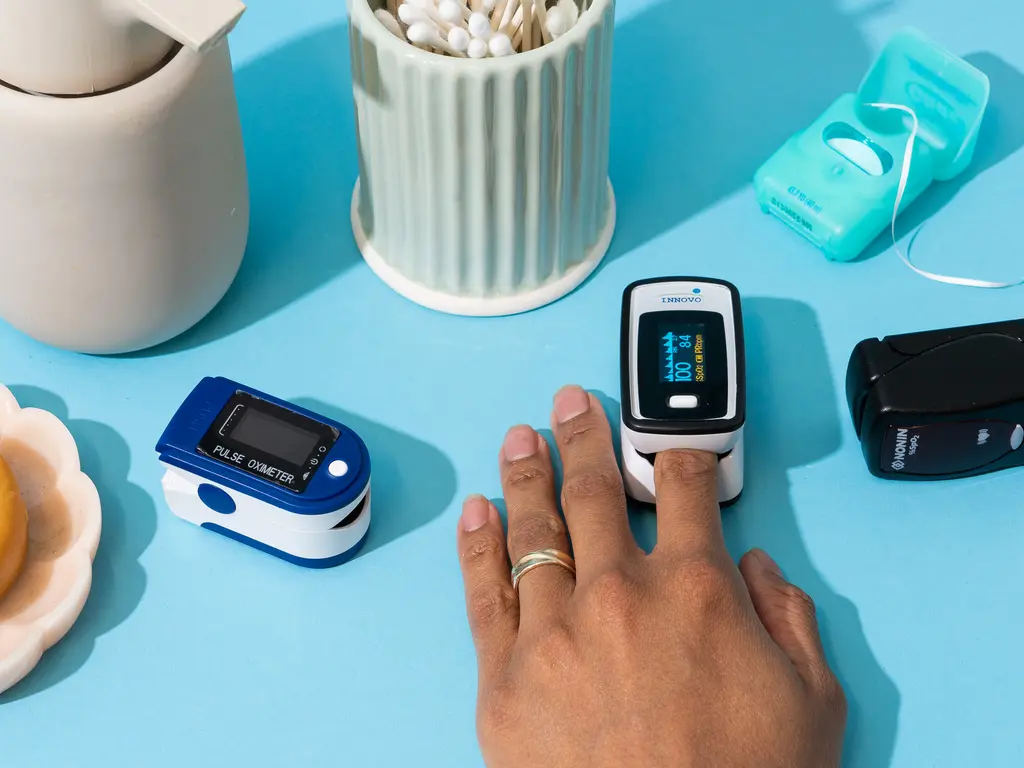
Pulse oximeters are highly useful for:
If you want to get accurate readings, make sure you apply right techniques:
Small mistakes can affect your readings. That’s why it’s important to avoid them at any cost:
Follow these tips to get better accuracy:
Well, anxiety doesn’t affect SpO₂ readings directly, but it usually affects:
If you feel anxious:
However, the reading improves when breathing settles.
Pulse oximeters are powerful tools. They are meant to measure readings, not to scare. Make sure you are applying all the above techniques to get accurate readings and acknowledge your symptoms promptly.
Proper use leads to better accuracy. With the right information and a reliable device, you can monitor your oxygen levels confidently and know when it’s time to seek help.
If you’re looking for a dependable device for home use, explore our collection of pulse oximeters available at Surgicals.pk and choose the one that best fits your needs.
Your health is worth understanding—one simple number at a time.