



Breathing support at home is not a one-size-fits-all solution, especially when options such as oxygen cylinders, nebulizers, and concentrators are available. Choosing the right device for your breathing problems significantly impacts comfort and long-term health & safety solutions.
However, the problem is that many people are still unaware of which device is the right one for their home oxygen therapy. Understanding the functional differences between oxygen cylinders, nebulizers, and concentrators can empower patients and help them make informed decisions.
Not only that, but selecting the right oxygen therapy device improves lung efficiency and enhances the quality of life. So, if you are also not sure whether you need an oxygen cylinder, nebulizer, or a concentrator, this home oxygen therapy guide is for you.
Remember, each device serves a unique purpose, and when you make the right choice before using them, you probably choose comfort, safety, and good health.
Before you choose any of the above-mentioned devices, it’s important to learn their basic purpose and what each device does.
First, we will talk about oxygen cylinders. They are basically the metal tanks filled with compressed medical oxygen. You can also think of them as portable bottles of oxygen. The cylinder releases oxygen at the set rate for anyone who needs extra oxygen. It can be used when power-dependent devices are not available.
Now we will discuss the oxygen concentrator for home use.
An oxygen concentrator takes all the air from your room, filters out nitrogen, and then delivers high-purity oxygen to the patient.
An oxygen concentrator runs on electricity and converts regular air into concentrated oxygen. This device is best for long-term home use.
You may have heard a lot about a nebulizer and maybe even used it in case of chest congestion. This device turns your liquid medication into a mist form so the patient can inhale it directly into the lungs.
Remember, it’s not an oxygen source. It only delivers medicines, including bronchodilators and steroids. Nebulizers can also be used in asthma, bronchitis, or respiratory infection conditions.
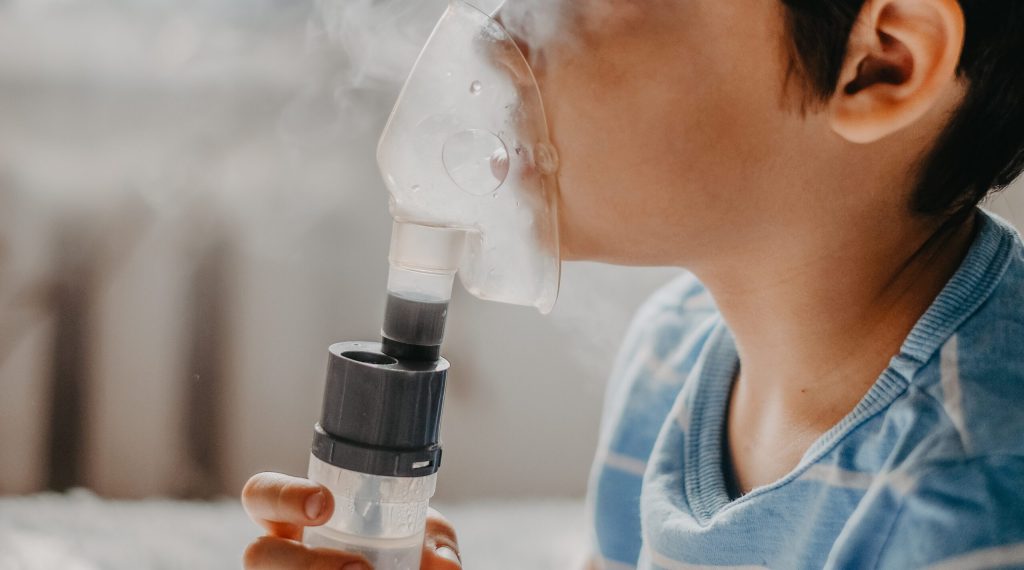
Oxygen Cylinder Vs Concentrator Vs Nebulizer – Functional Differences
Let’s break down some functional differences so you can learn about these devices better:
If you want to pick the right device for home use, first you need to ask why you even need the device?
Is there an emergency, and you can’t breathe?
You need an oxygen cylinder with a robust steel trolley. It provides immediate oxygen support and is quite easy to operate. You don’t even need any power backup for using it, and it is portable and fast to use.
Best for:
Not for
If you have a continuous breathing issue and you think you need long-term therapy, then you need an oxygen concentrator.
It provides continuous oxygen and is best for chronic respiratory conditions such as COPD and pulmonary fibrosis. The device is also much more affordable compared to refilling cylinders.
Best for:
Not for:
For Medication Inhalation
If you can breathe properly due to lung infection or asthma conditions, then you need a nebulizer.
It converts your medicine to mist particles and helps them reach deep into your lungs. It’s best for asthma attacks, lung infections, and COPD flares. If you are looking for a cost-effective choice, you can buy the Believia Compressor Nebulizer, which has a concise and fluent design and offers highly effective delivery of medicine.
Best for:
Not for:
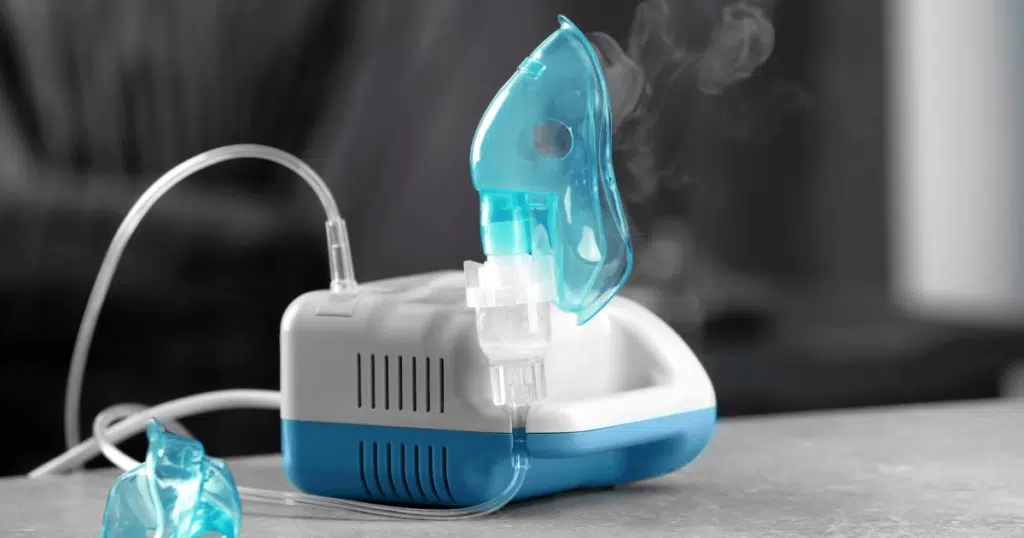
Side by Side Comparison – Nebulizer Vs Oxygen Machine Vs Concentrator
Features |
Oxygen cylinder |
Oxygen Concentrator |
Nebulizer |
| Supplies oxygen | Yes | Yes | No |
| Delivers medication | No | No | Yes |
| Uses electricity | No | Yes | Sometimes |
| Portable | Yes | Limited | Portable options available |
| Long-term use | Possible but costly | Ideal | Not applicable |
| Emergency use | Excellent | No, if no power | No |
After this oxygen device comparison, you can easily understand which device is best for home use and emergencies. So, if you have breathing difficulties and you are not sure which device is best for you, the above comparison can help.
Let’s learn when to use which device?
Use oxygen cylinders if:
Use an oxygen concentrator if:
Use a nebulizer if:
Let’s break down some pros & cons of each device so you can decide better:
Let’s compare the costs of each device:
Oxygen cylinders have lower upfront costs, but they have high ongoing expenses due to continuous refilling.
Oxygen concentrators come with higher initial costs, but they have lower long-term expenses since no refills are required.
Nebulizers have affordable upfront costs with minimal ongoing costs for medication and parts.
Keeping respiratory devices clean and working is crucial for their effectiveness.
Choosing between an oxygen cylinder, oxygen concentrator, or nebulizer depends entirely on your medical needs, usage frequency, and lifestyle—whether you need emergency oxygen support, long-term home therapy, or effective medication delivery. Understanding how each device works makes it easier to invest in the right solution for safer and more comfortable breathing at home.
For reliable, quality-assured oxygen therapy equipment and nebulizers, surgicals.pk offers a trusted range of medical devices designed to support better respiratory care for patients and caregivers alike.