



Respiratory care at home often feels confusing if you or your loved ones are experiencing breathing difficulties, especially if they have asthma, COPD, or any viral lung infection.
You might have heard about a nebulizer, an oxygen device, or a pulse oximeter at home, but maybe you are not fully aware of their functionality and safe methods to use. The fact is, these are all home respiratory tools that empower you to act early & promptly to stay safe. But first, it’s important to recognize those warning signs that your lungs are sending. Ignoring even mild shortness of breath can lead to serious complications.
However, if you are not sure about how and when to use a nebulizer, oxygen device, and pulse oximeter, then this guide is for you, which reveals breathing difficulty treatment at home and other important points.
Every time we breathe, our lungs pull in oxygen that our body needs to survive. But when our lungs are affected by any disease or infection, then oxygen flow can automatically drop, and breathing becomes difficult.
With good home respiratory care, the symptoms can be relieved early, and you can prevent complications like pneumonia and hospitalization. You can also track the health of your lungs and how they are working. Home respiratory care also supports recovery from short illnesses like the flu and asthma.
That’s why it’s crucial to use the right devices at home to treat your conditions better.

Now it’s time to discuss some common respiratory issues that many people face:
Asthma is one of the most dangerous problems people face today. It’s a chronic condition where airways become narrow and inflamed. Some of its symptoms are:
Though asthma flares can come and go, sometimes they are triggered by cold air or infections.
COPD or Chronic Obstructive Pulmonary Disease is a long-term condition that includes emphysema and chronic bronchitis. People experiencing this condition have a persistent cough, mucus production, and increasing breathlessness over time.
Covid 19 and seasonal flu usually cause chest congestion, cough, fever, and breathing difficulties. Most of these conditions are mild, but some lead to serious oxygen drops in the blood. Some other causes are:
When you know your symptoms and what’s worse than normal can help prevent serious complications later.
Here are some important tools that can be used for home respiratory care:

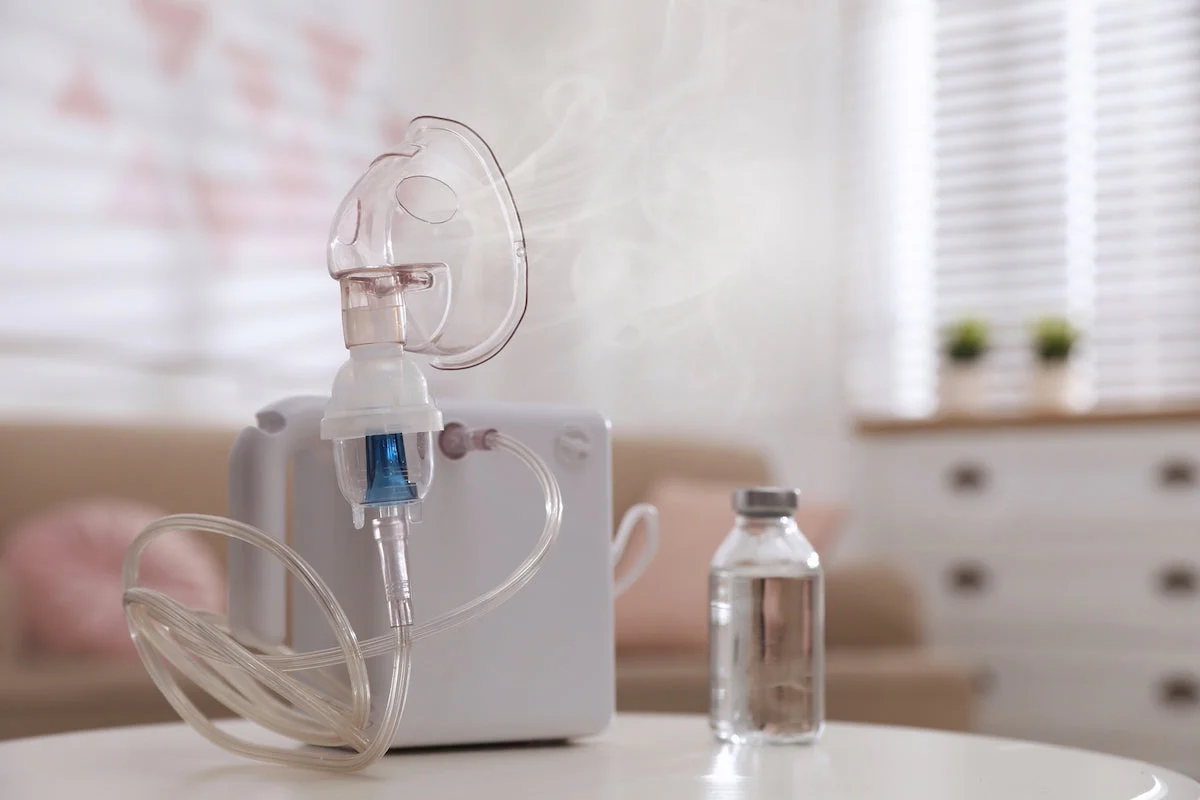
A nebulizer is a powerful machine that turns medication into a mist so you can inhale deeply into your lungs. It doesn’t work like inhalers that require you to breathe in constantly, but it is designed to deliver medicine over several minutes while breathing normally.
Now, another question is when to use it?
You should use a nebulizer after the doctor’s recommendation. Certain conditions can be treated with this powerful machine:
Follow these steps to use the nebulizer for asthma:
Now we will discuss something about home oxygen therapy.
An oxygen device is responsible for delivering extra oxygen to your lungs when the blood oxygen level is low. It has two primary types:
They pull air from the room and then filter it to give you concentrated oxygen.
Oxygen cylinder use is not so difficult. Medical oxygen cylinders are pre-filled bottles of medical oxygen for people with high or intermittent needs.
Keeping an oxygen concentrator at home is necessary for asthma patients as they can need it anytime due to their condition.
A pulse oximeter is another small device clipped onto your fingertip that estimates how much oxygen your blood is carrying. This device shows:
Pulse Oximeter at Home Benefits:
Keep in mind, the normal reading is 95-100% in healthy adults.
Many people do not understand when they should consider a doctor’s visit or when home care is enough.
To understand this better, watch out for these signs in both cases:
Signs when home treatment is enough:
Go to your doctor if the signs tell otherwise:
If you are using respiratory devices at home, then it’s important to take all the safety precautions to protect yourself from any harm.
Respiratory care tools always require some guidance before use. Especially nebulizers and oxygen devices are prescription-level therapies, so they shouldn’t be used without any proper guidance.
Never use home oxygen on your own. It should always be monitored carefully because too much oxygen can harm patients.
Similarly, never use a nebulizer with random medicine solutions. Only use medicines that your doctor has prescribed.
However, pulse oximeters are safe to use on your own. Make sure you interpret readings with context.
Breathing problems can feel scary, especially when they happen at home. The good news is that today’s home respiratory care tools — like those you can find at Surgicals.pk — make it easier to manage symptoms early, stay comfortable, and know when to seek help.
Nebulizers, oxygen devices, and pulse oximeters each play a specific role — and understanding when to use them and when not to can make a real difference in your health. Used correctly, these tools support safer recovery and better everyday breathing. Used incorrectly, they can create unnecessary risk.