

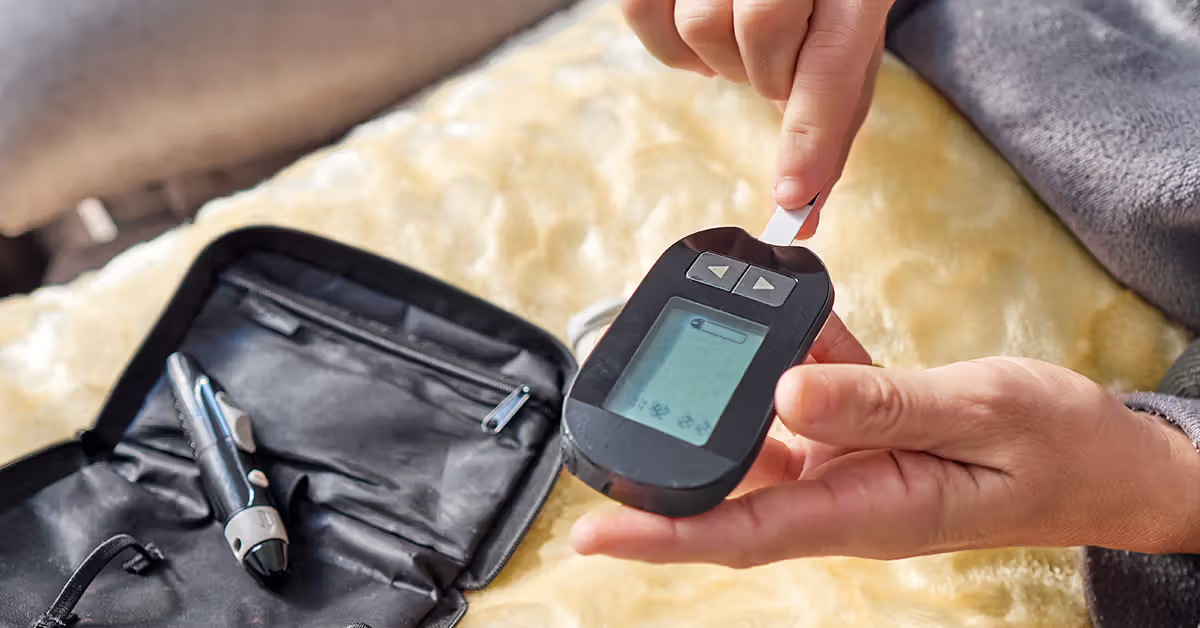


Have you ever checked your blood sugar at home and thought, “is this number normal?” Well, many people do not have a clear idea about how to use the right tools and what reading is normal and what is considered dangerous, yet they check their blood sugar level every day to keep track of things.
We believe that monitoring blood sugar at home is probably one of the best habits of people with diabetes or at risk. At least, it gives immediate feedback about food, medication, stress, and overall lifestyle changes. We know it’s a bit intimidating to check blood sugar at home using a glucometer, but when you know the basics, you can do it easily.
Today, we will break down why continuous monitoring matters, the difference between fasting and random readings, how to check blood sugar at home, instructions for using a glucometer, and much more.

Monitoring blood sugar at using right tools is always important as it gives you clear ideas about your immediate reading. You can simply detect highs & lows early. With home testing, you can analyze when your sugar levels are too high (hyperglycemia) or too low (hypoglycemia) so you can act before complications happen.
These accurate readings help your doctor decide whether you need simple or required insulin. Not only that, but it teaches what really affects your body. You’ll learn how different meals, exercise, sleep, illness, or stress change your numbers.
You need to measure fasting blood sugar range after you have had nothing to eat for at least 8 hours. This means, it should be the first thing in the morning. This reading shows your baseline glucose control when food is not affecting the number.
A typical non-diabetic range should be 70–99 mg/dL, and target for many people with diabetes is 80–130 mg/dL.
Now let’s discuss about random sugar range. You can measure it at any time of the day regardless of your meals. You should measure your blood sugar especially if you are feeling some symptoms. Your reading will depend on the last thing you ate or your last activity.

If you are a non-diabetic person, your fasting blood sugar range should be 70–99 mg/dL and <140 mg/dL 2 hours after eating. These are normal blood sugar levels for a healthy person.
For people with diabetes, the range should be 80–130 mg/dL, and <180 mg/dL 1-2 hours after a meal.
Now what are the concerning levels that need immediate attention?
If the reading is below 70 mg/dL. It means your blood sugar level is low, and it needs quick treatment. And if the value is repeatedly above 180–200 mg/dL, it indicates high glucose level consistently and you need to immediately contact your healthcare provider.
However, a value of >300 mg/dL considered significantly high and need immediate medical advice depending on your symptoms.
For blood sugar test at home, you must be aware about certain readings so you can act timely in case of danger.
| Test type | When it’s taken | Healthy range | Diabetes target range |
| Fasting | After 8 hours with no food | 70–99 mg/dL | 80–130 mg/dL |
| Before meals | Right before eating | 70–99 mg/dL | 80–130 mg/dL |
| 1-2 hours after meal | After first bite of food | Under 140 mg/dL | Under 180 mg/dL |
| Random blood sugar test reading | Any time of the day | Under 140 mg/dL | Under 180 mg/dL (varies) |
| Bedtime | Before going to sleep | 70–120 mg/dL | 100–140 mg/dL |
If you are doing blood sugar test at home, you need a reliable blood glucose meter or glucometer. Here’s how to use it:
The first and most important thing is to gather everything which include:
In the next step, you need to use warm water and soap. And then dry completely. Why? because it removes food, sugar, lotions and helps get a good drop of blood.
After that, insert a new lancet and set the depth (lower for thin skin, higher if you have callouses). Cock the device based on instructions.
Most meters’ power on automatically when strip is inserted. So insert the strip but make sure it is not expired and is kept in its container.
It’s recommended to use the side of the finger rather than the pad because it hurts less. If you are using alternative sites (forearm, palm), then first check your meter’s manual. Some carbohydrates show different values on alternative sites, especially after meals.
Squeeze gently until a round drop of blood forms. Avoid “milking” excessively as that can dilute the sample with tissue fluid.
The meter will count down and show mg/dL. Note the time and whether it’s before/after a meal.
Remember, one high reading isn’t a failure. Always look for trends. But if you’re high, then check when you last ate, what you ate, stress, illness, or missed medication.
In case, the reading is low (<70 mg/dL), then treat with 15 grams of fast-acting carbohydrate (e.g., 4 oz juice, 3–4 glucose tablets, 1 tablespoon sugar or honey), wait 15 minutes, retest. Repeat if still low.
If readings swing widely on daily basis, then bring your log to the doctor so he can prescribe meds or adjust insulin.
However, if you feel unwell despite “normal” readings, then analyze your symptoms and call your provider.

Choosing a glucometer is no longer a difficult decision especially if you are aware of some common facts about the sugar machine.
Before purchase, look for these elements:
We know it’s not much difficult to do home glucose test, but still many people commit mistakes that affect the readings.
That’s why, it’s important to avoid these mistakes while using blood glucose meter:
Monitoring your blood sugar at home is a simple yet powerful way to take control of your health. With a reliable glucometer, proper technique, and consistent tracking, you can understand how food, activity, and medication affect your levels, prevent dangerous highs and lows, and make informed decisions alongside your healthcare provider.
Avoid common mistakes, follow your target ranges, and remember that small daily efforts lead to long-term wellness and peace of mind.
In case, you need glucometers, explore Surgicals.pk and shop for the one that best suits your needs and budget. Our huge range of glucometers are perfect to monitor your blood sugar level at home without following any complicated steps.