

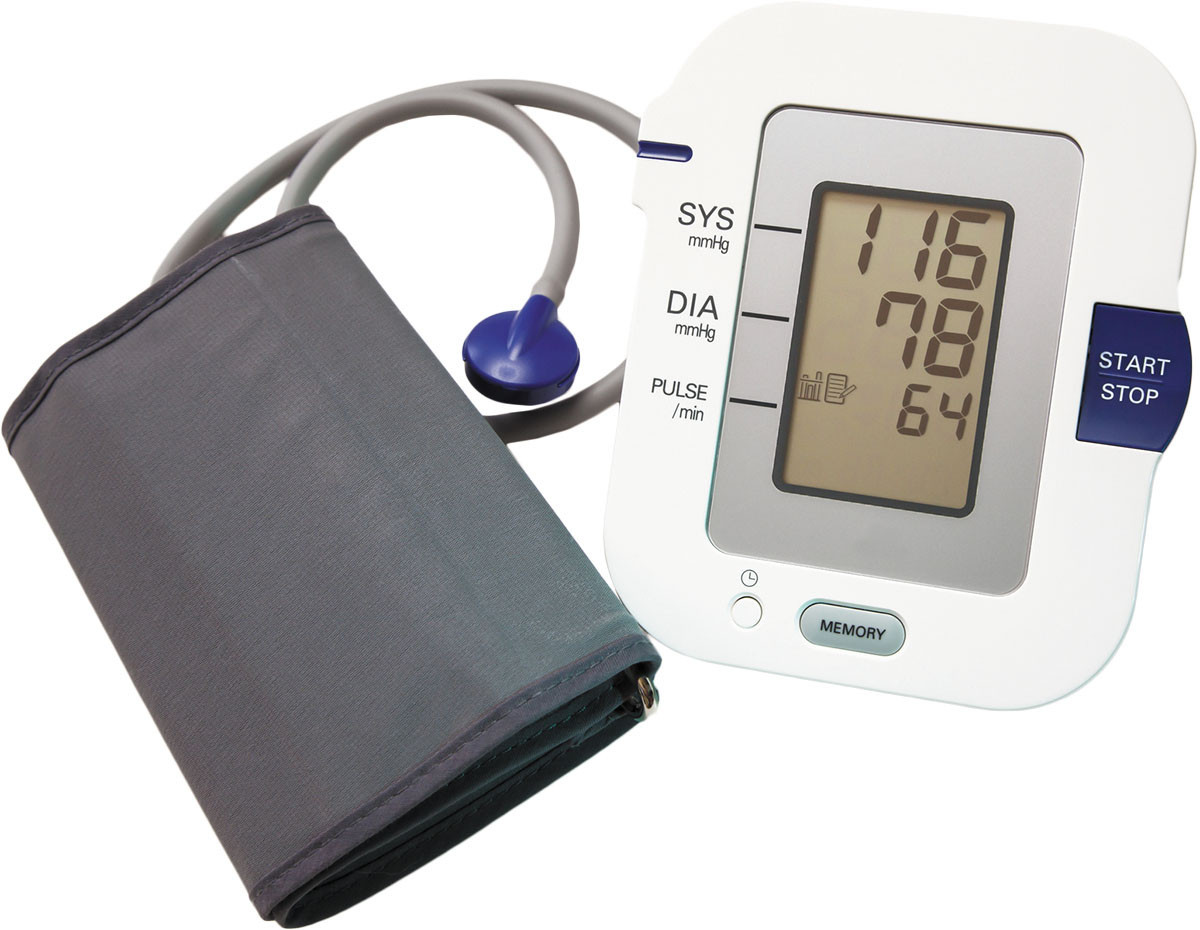


Blood pressure is one of the simplest numbers we can all check, without any difficulty. Right? Yet, it tells so much about what’s happening inside our bodies. After all, your body signals every single day – and you know what? A BP monitor helps you read them. It’s a tiny machine, though, but it probably promises an ultimate level of protection.
Many people in Pakistan (including the ones in your circle) live with high blood pressure, and they don’t even know it. The reason is, hypertension rarely shows signs until it becomes dangerous.
That’s why we believe it’s important to understand normal vs. high blood pressure, what is normal blood pressure, high blood pressure symptoms, when you should get worried, and how to tackle it timely manner.
So, let’s break down all the details here and understand everything about high vs normal blood pressure, and when you should use a home BP monitor.
Before we go to a normal blood pressure, it’s important to understand what exactly blood pressure is. This is actually the pressure of blood pushing against the walls of your arteries. You can think of it like water flowing through a pipe. If the pressure is normal, everything is working fine. But, if the pressure is high, that pipe can be stressed and burst.
Now your BP has two numbers:
Example: 120/80 mmHg
The BP around 120/80 mmHg is considered normal. A small fluctuation can occur, but this is not dangerous until the reading is too high or too low.
Let’s understand normal, elevated, and high blood pressure ranges through this blood pressure chart so you can have a clear understanding:
| Category | Systolic (upper number) | Diastolic (lower number) |
| Normal | Less than 120 | Less than 80 |
| Elevated | 120-129 | Less than 80 |
| High BP stage 1 | 130-139 | 80-89 |
| High BP stage 2 | 140 or higher | 90 or higher |
| Emergency | Higher than 180 | Higher than 120 |
A normal blood pressure range means your heart health is fine, and maintaining a healthy lifestyle. Elevated means an early warning. You need to start monitoring your BP more often. But if you are at stage 1, risk begins. You need medical help + regular monitoring. If you are at stage 2, it has a more persistent risk, and you are in danger.
It’s important for every person to monitor their blood pressure once in a while so they can have a clear idea about what’s going on. Now the main concern of people is, how can we do it at home? Of course, nobody will bother to go to the clinic for blood pressure monitoring.
It’s simple, you can do it at home using a fully automated blood pressure machine that is an arm-type pressure monitor and comes with several advanced features. The best part? You don’t need to learn anything before using it. This machine works automatically, and anybody can use it.

High blood pressure is dangerous. Monitoring it timely manner can save lives. Always look for these symptoms if you have high blood pressure issues.

Of course, it is. In fact, high BP is called a silent killer. It damages your body quietly over time. It affects all parts of the body. For example:
Since high BP is quite dangerous, regular monitoring is extremely important as it can save your life. Regular monitoring helps catch rising BP early and track how food, sleep, and medicine affect your numbers.
Furthermore, you can notice dangerous spikes. So, after monitoring, always share accurate data with your doctor to get the right recommendations. With monitoring, you can simply stay in control of your health instead of being surprised later.
Well, not everyone should get worried about BP and keep checking it every single day. But many people should stay informed.
Here are the groups that can be affected:
Diabetes and high BP often go together.
BP rises with age. Regular checks help detect early changes.
If your parents have hypertension, your risk is higher.
Extra weight puts more pressure on the heart.
Monitoring helps detect pregnancy-related BP changes.
Stress can cause temporary or long-term increases in BP.
Home readings help track if it’s working.
Your blood pressure can’t stay constant. It changes throughout the day, and it’s completely normal.
These are some simple examples of blood pressure reading ranges:
BP is usually higher in the mornings. But if your reading is constantly higher every morning, it’s a sign of early hypertension.
Your BP slightly drops in the evening. However, if it stays high throughout the day, it’s concerning.
A light increase in BP is normal after meals. But big spikes could be a sign that there’s something wrong.
BP stays normal before exercise. But during exercise, it gets increased temporarily. And after exercise, it’s often lower than normal.
You should consider using a home blood pressure monitor if:
You can check your BP at home easily by following these methods:
Before Reading:
During Reading
After Reading
Here are a few situations when it’s important to buy a BP monitor:
Home BP monitors are highly powerful tools as they help detect your blood pressure whenever you feel something wrong.
They help you show what’s happening inside your body without going to the doctor. You can even detect those random spikes that you might not feel clearly.
You can also identify when your BP is high at the clinic but normal at home. It helps you understand your doctor about your condition. You can easily measure your BP on good and bad days without any help. Your doctor can adjust medication based on your provided details.
That’s why buying a reliable home BP monitor is important, so you can take advantage without any difficulty. And don’t worry, there are tons of BP monitors available that can be used at home and do not come with any technical handling instructions. For example, there is a digital wrist blood pressure monitor that is clinically validated and equipped with high-tech measurement technology.
Other than that, there is a best digital blood pressure monitor that comes with a WHO blood pressure classification indicator and has the measurement Oscillometer method.
Many patients also choose a BP apparatus manual wall-mounted one that is made of extra durable nylon and has a comfortable Velcro strip that allows for easy one-hand self-measuring at home to balance your BP.
There are lots of types available at Surgicals.pk that are budget-friendly and have high accuracy. If you are not sure which fits your needs, you can even contact the team to get guidance.
High blood pressure often shows no warning signs, which is why monitoring early is so important. A home BP monitor helps you stay aware of your numbers, catch rising pressure before it becomes dangerous, and understand how your daily routine affects your health.
By checking regularly at home, you can detect changes early, manage risks better, and give your doctor accurate information for the right treatment. Don’t wait for symptoms—take control of your heart health by starting regular BP monitoring today.