



Do you know how much oxygen your body actually needs to stay healthy & active? Oxygen just flows in and carbon dioxide flows out, and life goes on. We don’t think much about what’s happening inside our bodies when we take a deep breath. But have you ever wondered why oxygen is so important for our bodies? And what does it mean when someone says my oxygen level is low?
Don’t worry, you don’t have to think much. Today, we are going to reveal all those important details that you wanted to know but never got the chance to learn everything about oxygen level in detail, in one place.
So, let’s find out what is oxygen level is, why it’s important, how to increase it, and so much more.
Our body needs oxygen to fuel every cell, tissue, and organ. And oxygen level means how much oxygen your blood is carrying. Without enough oxygen, your body can’t function properly and can damage your vital organs.
Your oxygen level works like the fuel of a car. No fuel = no running engine. And no oxygen = no energy in the body.
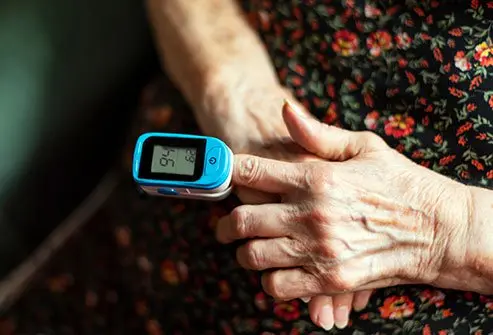
Wondering what’s considered normal? Normal oxygen level for adults should be 95% – 100%. Oxygen levels between 90% – 94% are also fine but slightly lower. However, it’s not dangerous. But an oxygen level below 90% is quite dangerous and is called Hypoxemia.
You May Also Like : Pulse Rate vs. Heart Rate – What’s the Difference?
Oxygen saturation levels stay stable across most ages. Here’s a complete breakdown of normal blood oxygen levels according to age:
There are two important ways to measure blood oxygen level:
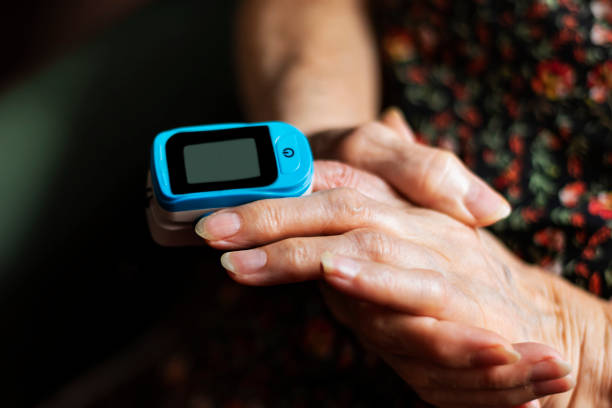
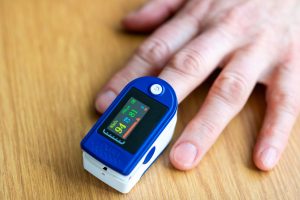
This method is quick and painless, and widely used in homes and hospitals. A pulse oximeter shows you the oxygen saturation percentage and also gives your heart rate.
This method is usually done in a hospital as professionals draw blood from an artery. Although this method is more accurate but you cannot do it daily.
There are a lot of reasons your oxygen might dip. Some of the common reasons include:
Lung conditions include Asthma, Chronic obstructive pulmonary disease (COPD), Pneumonia, Pulmonary embolism (blood clot in the lungs) causes low oxygen levels.
Some heart problems, including congestive heart failure and irregular heart rhythms, often cause low oxygen in the body.
There are some other factors too that cause low oxygen levels, such as anemia, COVID-19, and other severe infections.
Our body sends signals when oxygen levels start dropping. Some of them are:
If you notice these symptoms, especially severe shortness of breath, get help immediately.
You May Also Like : All You Need to Know About Low Blood Pressure Emergency Treatment at Home
Everybody doesn’t need to check their oxygen level daily if they are fine. However, people with the following problems should always monitor their oxygen levels:
Don’t worry, there are a lot of ways to increase the oxygen level in your body:
If you notice low oxygen in your body, try diaphragmatic breathing (belly breathing). It helps expand your lungs and improves oxygen intake.
Start a workout as it strengthens your lungs and heart. Even walking can improve oxygen circulation.
Immediately open windows for fresh air or use air purifiers to reduce pollutants.
Try to drink as much water as you can. It thins the mucus in your lungs for easier breathing.
You May Also Like : Can High Blood Pressure Cause Fever? A Detailed Guide
A dangerously low oxygen level is below 90%. At this point, your body struggles to function properly. Prolonged readings at these points can even damage your organs.
Below 85% is considered severely low oxygen. This is considered a medical emergency. At this point, your brain, heart, and other organs are at high risk of damage.
If you want to keep your oxygen levels healthy in the long run, follow these tips regularly:
Our body’s oxygen level is something we might not think about every day because we feel fine and function properly. But remember, it’s like a fuel to your body. You should always know when to monitor your oxygen, how to measure it, and when it’s time to call a doctor.
More importantly, you should have tools at home to monitor your oxygen level properly. Some important tools are a finger pulse oximeter and a hand-held pulse oximeter. These tools are available at different online platforms, including Surgicals.pk where you can get them at cost-effective rates and even choose from different models and types. The best thing is, they are quite easy to use. Anybody can use them at home as they do not require any technical skills to operate.
So, the next time you see someone clip a pulse oximeter to their finger, you will know exactly what they are doing and why it matters.
You May Also Like : What is a Digital Thermometer? Features, Uses, Price, and Much More