

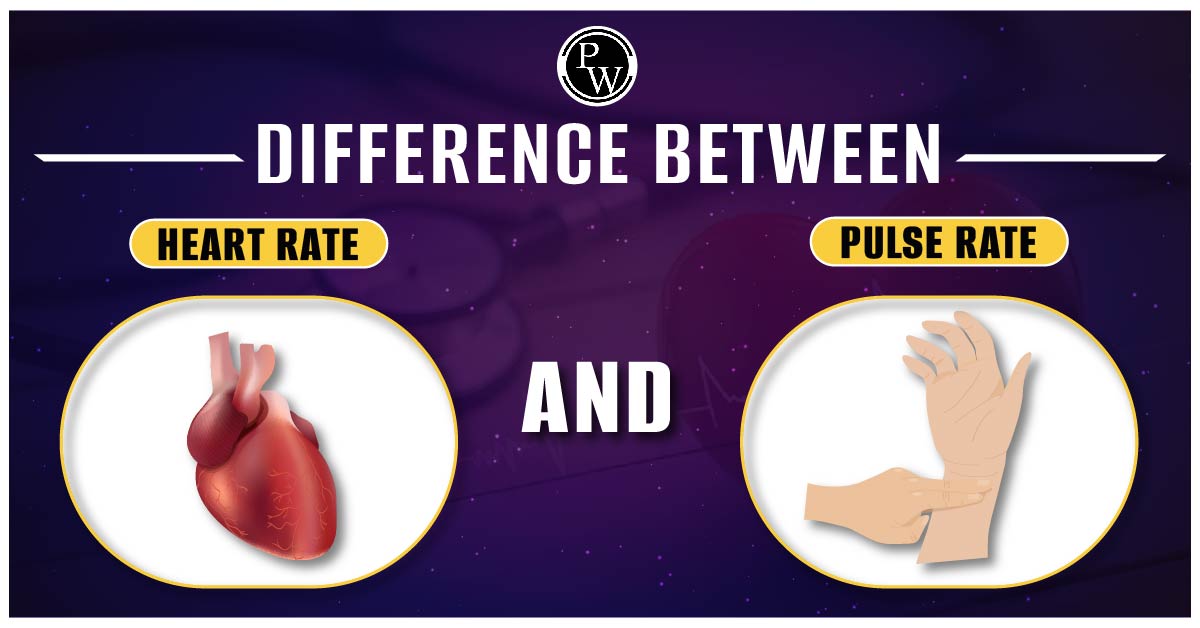


Have you ever checked a smartwatch after a workout and wondered whether it has tracked your heart rate or pulse rate? Or your doctor mentioned both heart rate and pulse rate during the check-up, and you got confused whether they are the same or not.
Well, the truth is – they are closely related but not the same.
Heart rate is the number of times your heart beats, and pulse rate is the number of times you feel the beat traveling through your arteries. Most of the time, both of these numbers match perfectly. However, sometimes they don’t.
That small difference tells a lot about your health. So, if you are also wondering whether pulse rate and heart rate are the same, this article is for you. Today, we are going to clear the confusion in a straightforward way. How you can measure both, why they matter, and when they are different.
People get confused between these terms because both heart rate and pulse rate are usually the same in healthy individuals. You can measure either one to get a general idea of your cardiovascular health.
There are different fitness apps and smartwatches that mix both terms. Even doctors often use the terms interchangeably.
Heart rate basically refers to the total number of times your heart contracts (beats) in one minute. The heart rate beats are electrical and mechanical events that happen inside your chest. They can be measured with an ECG or by listening to the heart with a stethoscope.
Now let’s discuss pulse rates.
Pulse rates refer to the total number of pressure waves (pulses) felt in your arteries in one minute. It’s the outward effect of your heart pumping blood.
It can be measured at your wrist (radial artery) or neck (carotid artery).
Are both the same? Well, in a healthy heart, the number of beats (heart rate) matches the number of pulses (pulse rate). You can think of it like a drummer: the heart plays the beat, and the pulse is the sound wave traveling through the room.
Problems arise only when some beats don’t create a pulse strong enough to feel—this is called a pulse deficit.
Your heart beat and pulse rate are not static. They change constantly depending on different factors:
Exercise increases both rates as your body demands more oxygen.
Stress triggers adrenaline, making your heart beat faster.
Caffeine temporarily raises the rate.
Some medicines, like beta-blockers, for example, slow your heart rate.
When you are ill, your heart rate often increases.
Sleep naturally slows the rate.
It’s not only important to understand the difference between heart rate and pulse rate, but also to measure them carefully.
You can use ECG machines as they give the most accurate reading, and are used in hospitals. Classic 12 Channel EKG Machine is one of the most reliable equipment, which has an easy-to-use interface, a bright color display, and touch operation.
A stethoscope is mostly used by Doctors for listening heartbeat directly.
Fitness watches and chest straps are also available in the market that measure heart rate using electrical signals or light sensors.
How to Measure Pulse Rate?
Measuring pulse rate is comparatively easy. Follow these methods for pulse rate measurement.
Place two fingers (not your thumb) just below the base of your thumb.
Place two fingers gently on the side of your windpipe.
Count for 30 seconds and multiply by 2 to get beats per minute.
A Pulse oximeter is the best equipment to measure pulse rate. It clips on your finger. Pulse Oximeter China is a small, affordable device that uses light to detect blood flow and gives pulse rate, along with oxygen saturation.
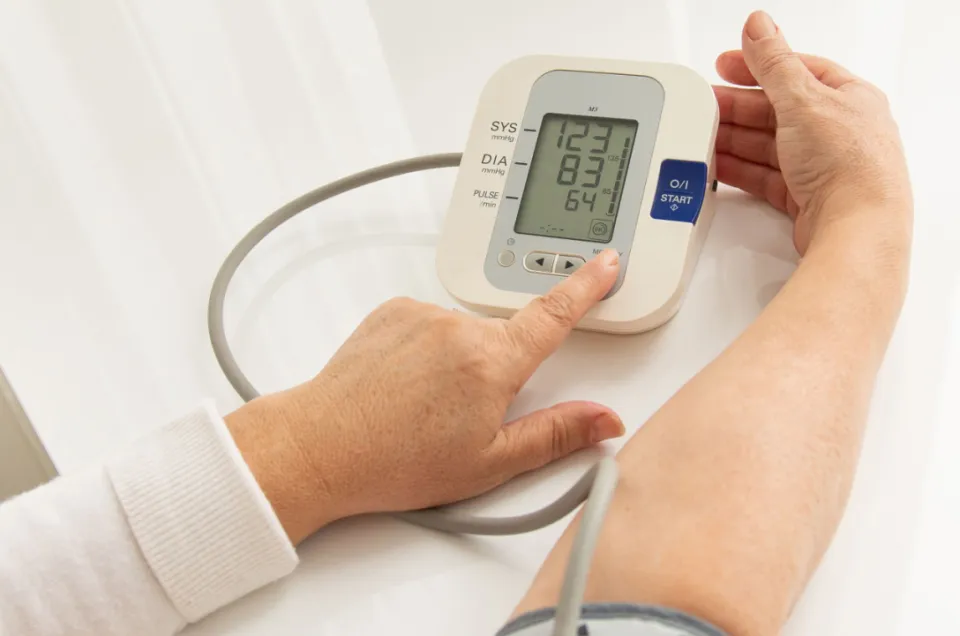
Many home BP machines display pulse rate. For example, Beurer BC 80, which is a fully automatic blood pressure and pulse measurement on the wrist.
| Features | Heart rate | Pulse rate |
| Definition | Number of heartbeats per minute | Number of pulses felt per minute |
| Where measured? | Inside the heart | At arteries |
| Normal range | 60-100 BPM | 60-100 BPM |
| When different? | Only measurable via devices | May differ in pulse deficit |
Normally, the heart rate is the same as the pulse rate. But in some conditions, they differ:
An irregular heart rhythm where not every beat creates a strong enough pulse.
Extra heartbeats that may not result in a pulse.
The heart may beat rapidly, but pulses may be weak or absent in the extremities.
The technical term is when heart rate and pulse rate don’t match.
No, both terms are different but have much similarity. However, it is important to understand the differences for different age groups and people.
The normal heart rate range in different age groups is:
There are different ways you can easily maintain both your heart rate and pulse rate:
The next time you put your fingers on your wrist and count those beats, remember: you’re feeling your pulse, which usually mirrors your heart rate.
Knowing the difference won’t just make you smarter—it can also make you healthier. Because in matters of the heart, every beat (and every pulse) counts.
And if you want to make tracking even easier, Surgicals.pk has you covered.
We offer reliable healthcare devices like digital blood pressure monitors, finger pulse and hand-held pulse oximeters, and heart rate monitors, so you can keep an eye on your cardiovascular health from the comfort of your home. Whether you’re a fitness enthusiast or just looking to monitor your wellbeing, their range of tools helps you stay proactive about your heart.